The questions everyone asks
Most people moving to Sydney ask the same four things:
- Where will I stay when I arrive?
- How will I get around?
- Can I afford a hotel while I look for a home?
- Which part of Sydney is right for me?
This guide takes them in turn. It assumes your visa, passport and flights are sorted. If you’re coming on a working holiday, also read our guide to tax refunds for working holiday makers.
Why not just book a hotel?
Hotels are fine for a few nights, but finding a long-term rental in Sydney usually takes a few weeks, sometimes more. Over a month or two, a hotel means:
- one room for everyone, and nowhere to cook
- meals out and paid laundry, every day
- parking charges if you have a car
- separate rooms if you’re a family or a group
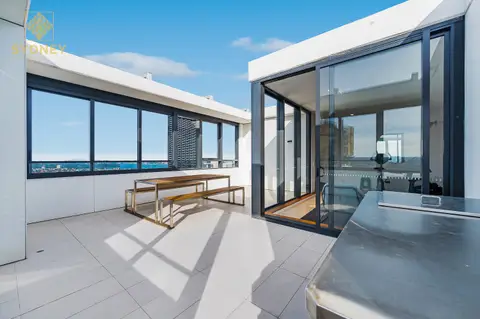
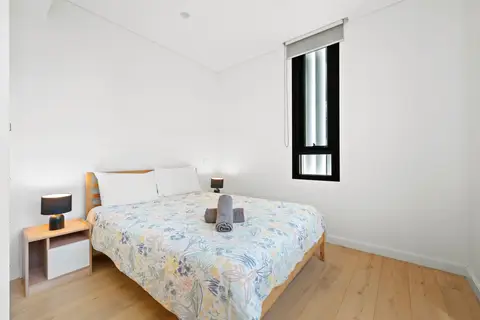
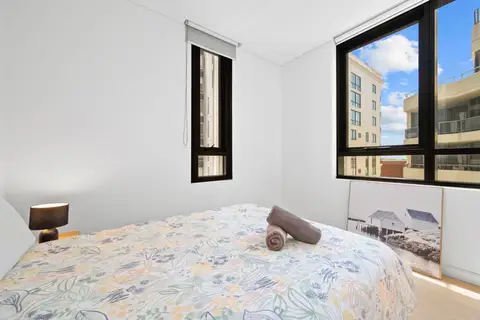
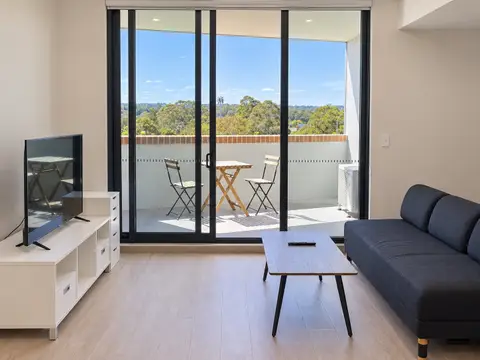
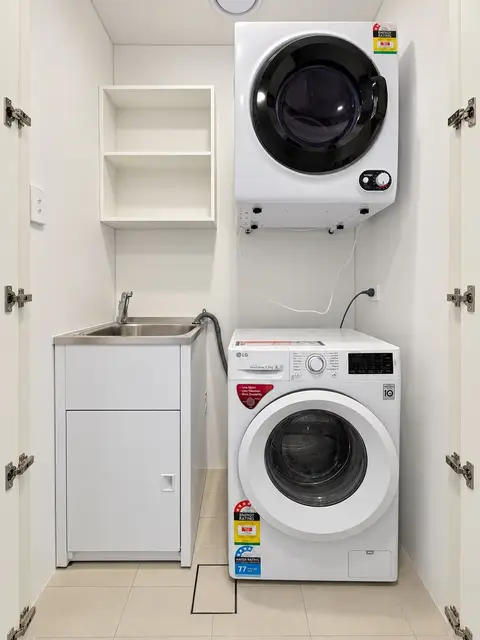
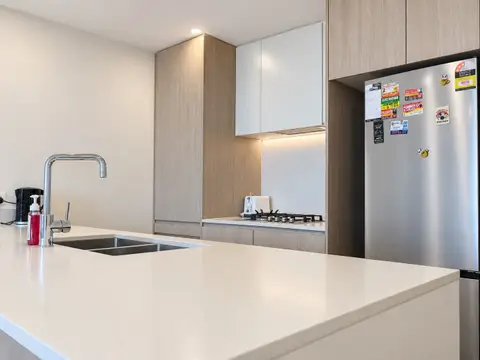
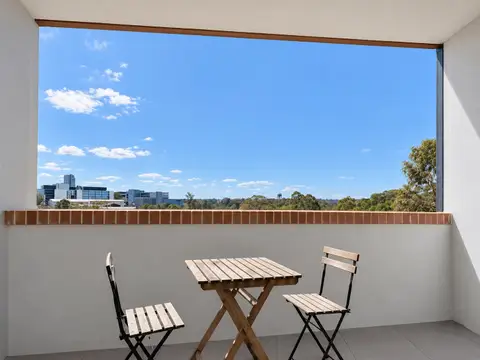
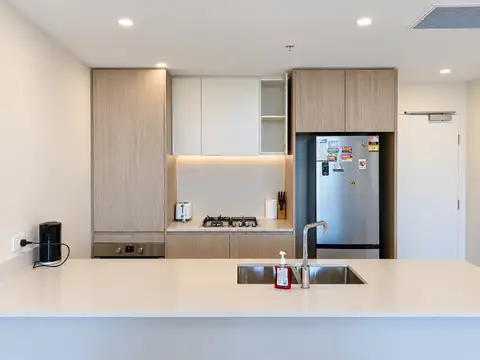
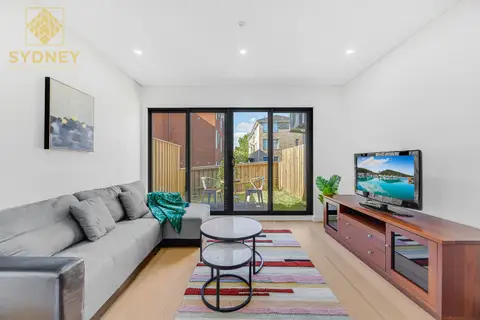
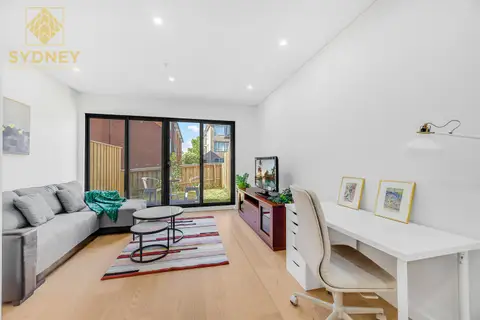
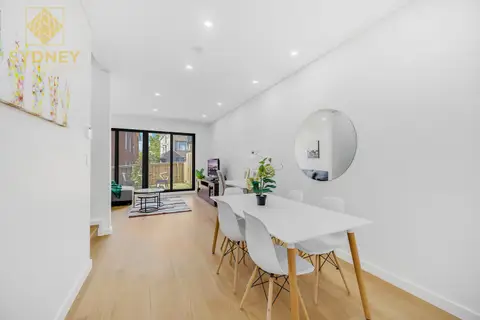
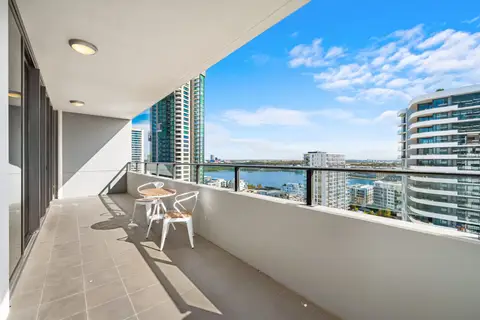
A furnished apartment gives you a kitchen, laundry facilities, separate bedrooms and a living area. For stays of a few weeks or more it usually costs less than a hotel room for the same time, and you can unpack properly, cook, work from the dining table and get the children into a routine.
How long-term renting works in Sydney
Renting an unfurnished home in Sydney is competitive, and it helps to know the process before you start:
- Listings are mostly on the big property websites and real estate agents’ own sites.
- Inspections are usually short open viewings, often on Saturdays. You’ll need to see places in person, or have someone see them for you.
- Applications ask for identification, proof of income and references. A job offer letter and a rental reference from home both help.
- Bond: in NSW the most a landlord can ask for is 4 weeks’ rent, and the bond is held by NSW Fair Trading, not by the landlord.
- Leases are commonly for 6 or 12 months.
- Furniture and connections: unfurnished means just that. You’ll need beds, appliances, and accounts for electricity, gas and internet.
NSW Fair Trading explains renters’ rights and obligations in plain English.
That’s a lot to do from overseas, which is why many people book a furnished apartment for their first 4 to 12 weeks, find a long-term home in person, and move when it’s ready.
Choosing a suburb
Start with where you’ll work or study, then look for suburbs with a direct train or Metro trip there. Some starting points:
- Working in the CBD: Redfern, Zetland and Rosebery are close in; North Sydney, Crows Nest, St Leonards and Chatswood are a short trip across the harbour.
- Macquarie Park or Macquarie University: Macquarie Park itself, or Epping, a few minutes away on the Metro.
- Sydney Olympic Park, Rhodes or Parramatta: Olympic Park, Wentworth Point, Rhodes and Homebush.
- Near the airport: Mascot and Botany.
- Families: leafy North Shore suburbs such as Lindfield and Roseville, or Chatswood with its shops and transport. If you’ll enrol children in a public school, check its catchment area before you choose where to rent long term.
- Lifestyle: Marrickville and Erskineville for cafés and village streets, or Bondi Junction for the beaches.
Our area guides describe each neighbourhood, and you can search our apartments by suburb.
Your first weeks: a checklist
- Getting around: tap on and off with a contactless credit or debit card, or your phone, on trains, Metro, buses, ferries and light rail. See getting around Sydney by public transport.
- Phone: a local SIM or eSIM gives you an Australian number for agents and applications.
- Bank account: you’ll need your passport, and some banks let you start before you arrive.
- Tax file number: if you’ll be working, apply for a TFN with the Australian Taxation Office. It’s free.
- Health cover: check whether you can enrol in Medicare, or make sure your private health insurance is active.
- Driving: visitors can drive on an overseas licence for a limited time. See renting a car in Sydney.
How we can help
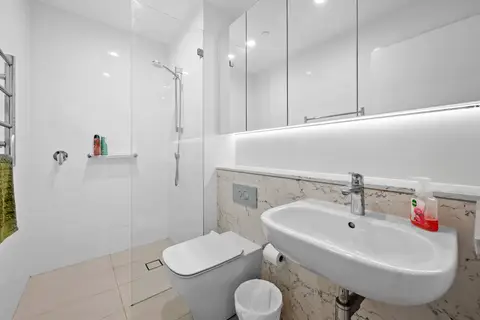
Many of our guests are in their first months in Sydney. Our apartments are fully furnished, with a kitchen, laundry facilities, linen, Wi-Fi, gas and electricity included, so you can arrive with a suitcase and settle in. Stays usually start at 7 nights, and you can extend with 14 days’ notice, which helps when a lease falls through or a start date moves.
If your employer is arranging your move, our corporate team can quote and invoice them directly.
Browse apartments, or tell us your dates and we’ll suggest a few options.