Do you need a car?
If you’re staying near a train or Metro station and working in the city, probably not, or at least not every day. A car earns its keep for:
- day trips to the Blue Mountains, the Hunter Valley, the Central Coast or the South Coast
- families with small children and a lot to carry
- workplaces and suburbs away from the train lines
- moving between a temporary home and a permanent one
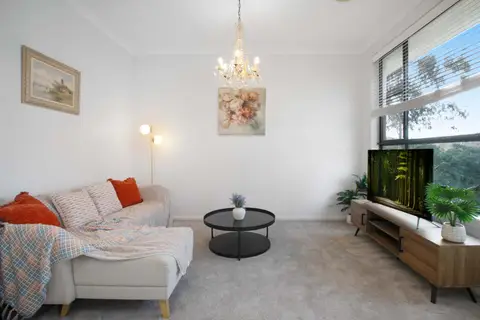
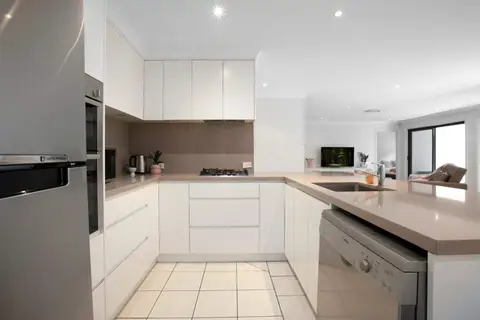
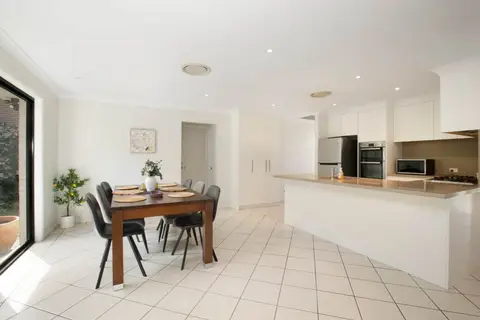
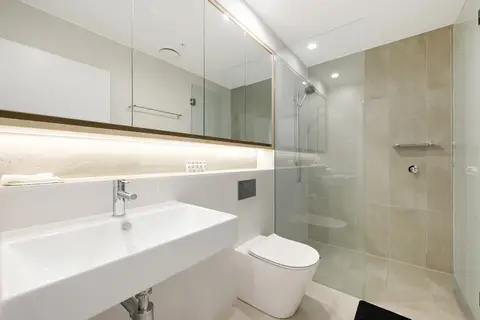
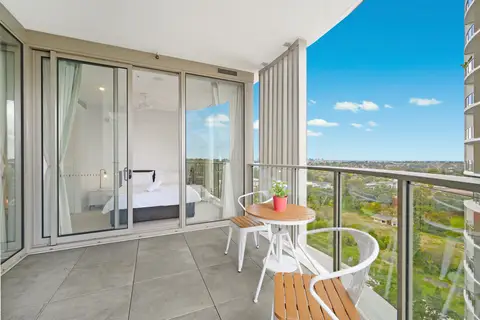
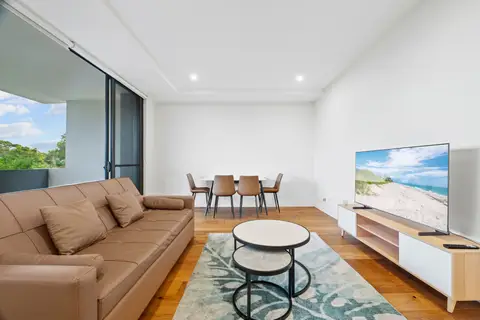
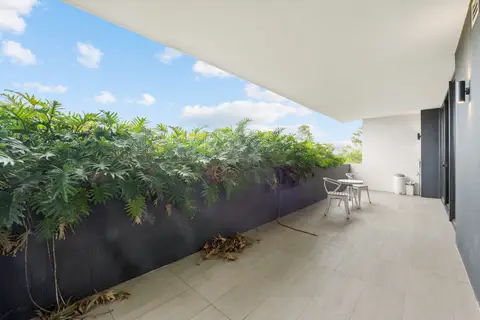
Most of our apartments include a car space, and each apartment’s page says what parking it has.
Your licence
- Visitors can drive in NSW on a current overseas licence for up to 6 months, as long as they remain temporary visitors.
- If your licence isn’t in English, carry an English translation or an International Driving Permit with it.
- Staying longer: temporary visitors who arrived on or after 1 July 2023 and plan to live in NSW for more than 6 months must get a NSW licence within 6 months of arriving.
- Permanent residents can drive on an overseas licence for up to 3 months after they arrive, then need a NSW licence.
Rules change, so check the current ones on the NSW Government website. Rental companies have their own rules too, such as a minimum age and how long you must have held your licence.
Getting a good deal
- Compare the big international brands with local companies. Prices for the same car can vary a lot.
- Ask about longer rentals: weekly and monthly rates are often much better than the daily rate.
- Pick up away from the airport if you can. Airport locations often add a premium location fee.
- Choose a smaller car: it’s cheaper to rent and to run, and much easier to park in Sydney.
Read the fine print
Before you sign, check:
- Insurance excess: how much you’d pay if the car is damaged, and what it costs to reduce it.
- Extra drivers: often charged by the day.
- Young drivers: drivers under 25 usually pay a surcharge.
- Kilometre limits: some cheaper deals cap them.
- Fuel: most rentals are full to full. Return the car full, or pay the company’s price to refuel it.
- Tolls: how the company charges you for them (see below).
- Child seats: in NSW, children under 7 must travel in an approved child restraint. Book seats in advance, or bring your own.
Tolls
Sydney has a lot of toll roads, including the Harbour Bridge and Harbour Tunnel, the M2, M4, M5, M7 and M8 motorways, and a growing network of tunnels. There are no toll booths: tolls are charged electronically.
Rental cars usually have a toll tag or are registered for tolling, and the company passes the tolls on to you, often with a service fee per toll or per day. Ask how it works when you pick up the car, and plan routes that avoid tolls if it matters to you.
Before you drive away
Walk around the car with the rental agent and photograph any scratches, dents or marks, inside and out. Make sure existing damage is written on the agreement. Do the same again when you return the car.
Driving in Sydney
- Australians drive on the left.
- The speed limit in built-up areas is 50 km/h unless signs say otherwise.
- School zones are 40 km/h on school days, usually from 8am to 9.30am and from 2.30pm to 4pm.
- Cameras check speed, red lights, mobile phone use and seatbelts. Fines on a rental car are passed on to you, usually with an admin fee.
- Parking in and near the city is expensive and closely enforced. Read the signs carefully, and watch for clearways, where parking is banned at peak times and cars are towed.
Alternatives
- Car share services such as GoGet have cars parked around the suburbs that you can book by the hour.
- Public transport covers most trips around Sydney. See getting around Sydney by public transport.
- Taxis and rideshare for the odd late night or airport run.
If you’re planning a longer stay, our guide to temporary accommodation in Sydney covers what else to think about, and you can browse our apartments by suburb.